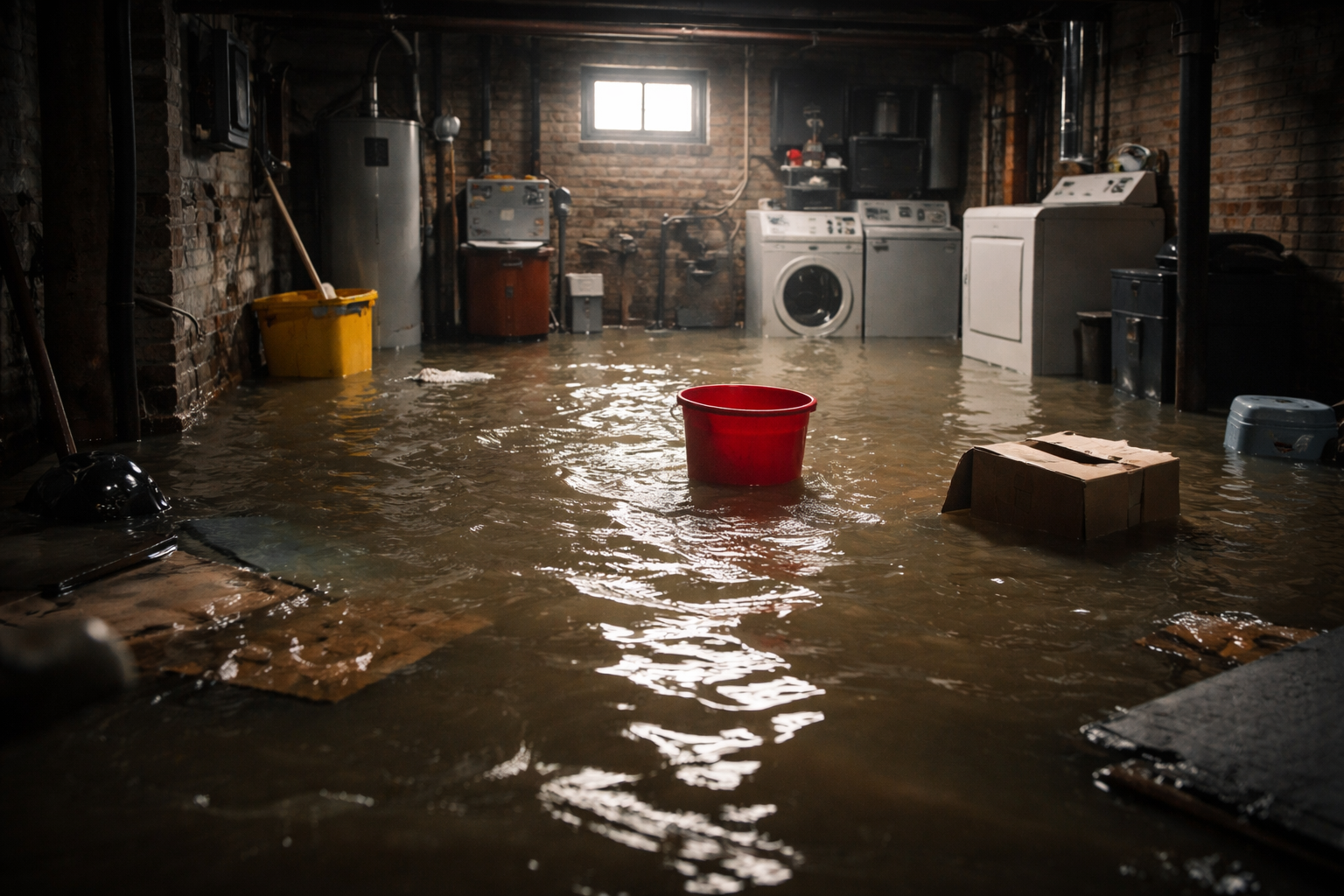
Flooding is a growing concern for homeowners across Chicago. Whether it’s water entering a basement after heavy rainfall or gradual seepage through foundation walls, water damage is impacting more real estate transactions than ever before.
For both buyers and sellers, understanding the causes of flooding, how to address it, and the legal disclosure requirements is critical to protecting your investment.
Common Causes of Flooding in Chicago Homes
1. Water Seepage Through Foundation Walls
Water can enter a home through cracks, gaps, and openings in foundation walls and floors. Common entry points include:
- Cracks in masonry
- Gaps around plumbing, gas, or electrical lines
- Porous concrete surfaces
This is often caused by:
- Poor exterior grading
- Heavy rainfall or snowmelt
- Hydrostatic pressure pushing water through the foundation
This type of issue can range from minor dampness to significant structural water intrusion and can affect both newer and older homes.
2. Sewer Backup
During heavy rains, Chicago’s sewer system can become overwhelmed, leading to water backing up into homes through:
- Floor drains
- Toilets and tubs
- Basement plumbing fixtures
Additional causes include:
- Tree root intrusion
- Deteriorating cast iron pipes
- Blockages in the main sewer line
Sewer backup is often more severe than seepage and can result in costly repairs.
3. Groundwater Accumulation
Homes located in low-lying areas may experience standing water around the foundation. Over time, this water can penetrate the structure and lead to:
- Basement flooding
- Foundation damage
- Mold and moisture issues
Solutions often include drainage systems, sump pumps, and grading corrections.
Chicago Flooding: What Buyers Should Be Aware Of
Ask Questions in Writing
Always document your questions. Ask the seller:
- Has the home ever flooded?
- What type of flooding occurred?
- What repairs or systems have been installed?
Written responses provide clarity and legal protection.
Inspect for Warning Signs
When touring a home, look for:
- Water stains or discoloration
- Cracks in walls or floors
- Musty odors
- Recently painted basement walls
These can indicate past or ongoing water issues.
Evaluate Exterior Drainage
- The yard should slope away from the home
- Avoid standing water near the foundation
- Downspouts should discharge at least 3 feet away from the house
In many Chicago homes, downspouts are no longer connected to the sewer system.
Understand the Flood Control System
Flood control systems vary significantly in quality and cost:
- Basic backflow valves: ~$40 + labor
- Professional systems: $8,000–$15,000+
Buyers should confirm:
- Type of system installed
- Installation date
- Licensed contractor involvement
What If Flooding Was Not Disclosed?
In Illinois, sellers must disclose known material defects. Failure to disclose flooding or water damage may result in legal liability. Buyers should consult a real estate attorney if issues arise after closing.
Seller Responsibilities: Disclosure Requirements
Sellers are legally required to disclose:
- Prior flooding incidents
- Water seepage or intrusion
- Sewer backup history
Even if repairs have been completed, disclosure is still required.
Failing to disclose can expose a seller to significant liability. Full transparency not only protects you legally but also builds trust with buyers.
Flood Control Solutions: What Homeowners Should Know
Costs can vary significantly, so obtaining multiple quotes is essential.
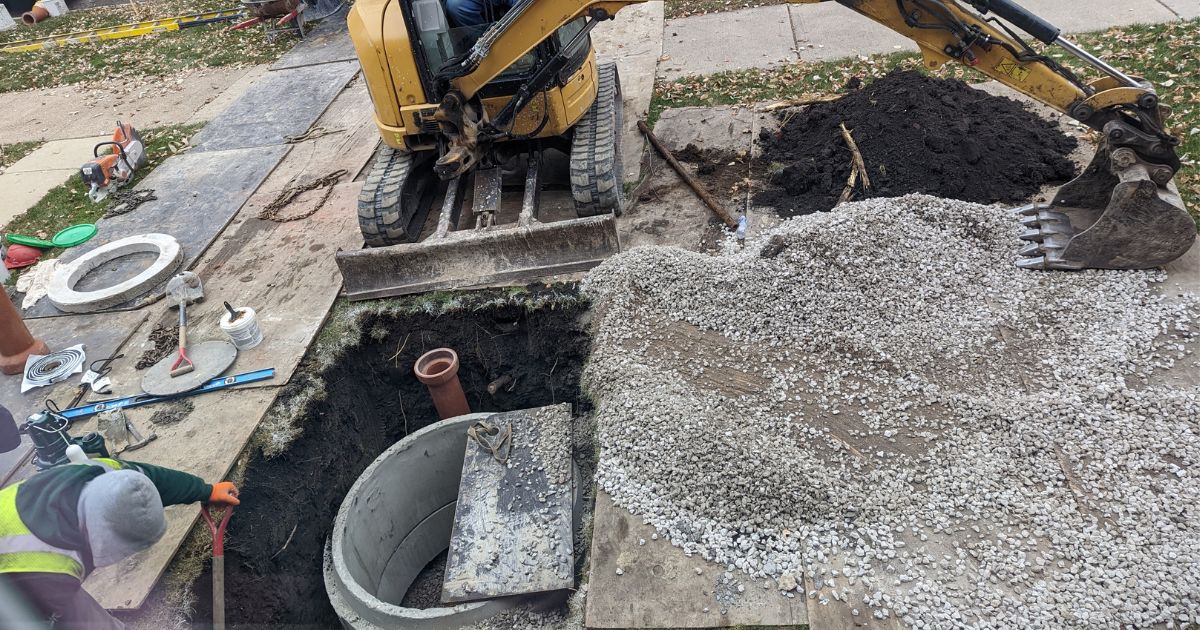
A homeowner here got over a dozen quotes ranging from $12,500 to $14,500 before going with a highly recommended local plumber. The system he put in was a double-valve flood control system, made from cast iron with pre-cast concrete rings. The job only took about 6-7 hours to complete, all under $10k.
Choosing the Right Plumber
Most licensed plumbers can install flood control systems, but differences come down to:
- System design
- Material quality
- Pricing transparency
Always compare at least three quotes and review specifications carefully.
Best Flood Control Solutions for Chicago Homes
Overhead Sewer Systems (Best Long-Term Solution)
Redirects wastewater above ground, eliminating sewer backup risk.
Best for:
- Full renovations
- Unfinished basements
- New construction
Pros: Highest level of protection
Cons: Higher cost and more complex installation
Backflow Valve Systems (Medium-Term Solution)
Prevents sewer backup using single or double valves.Pros:
- More affordable
- Quick installation
Cons:
- Requires maintenance
- Not 100% fail-proof
Double-valve systems are typically recommended.
Interior Drain Tile Systems (French Drains)
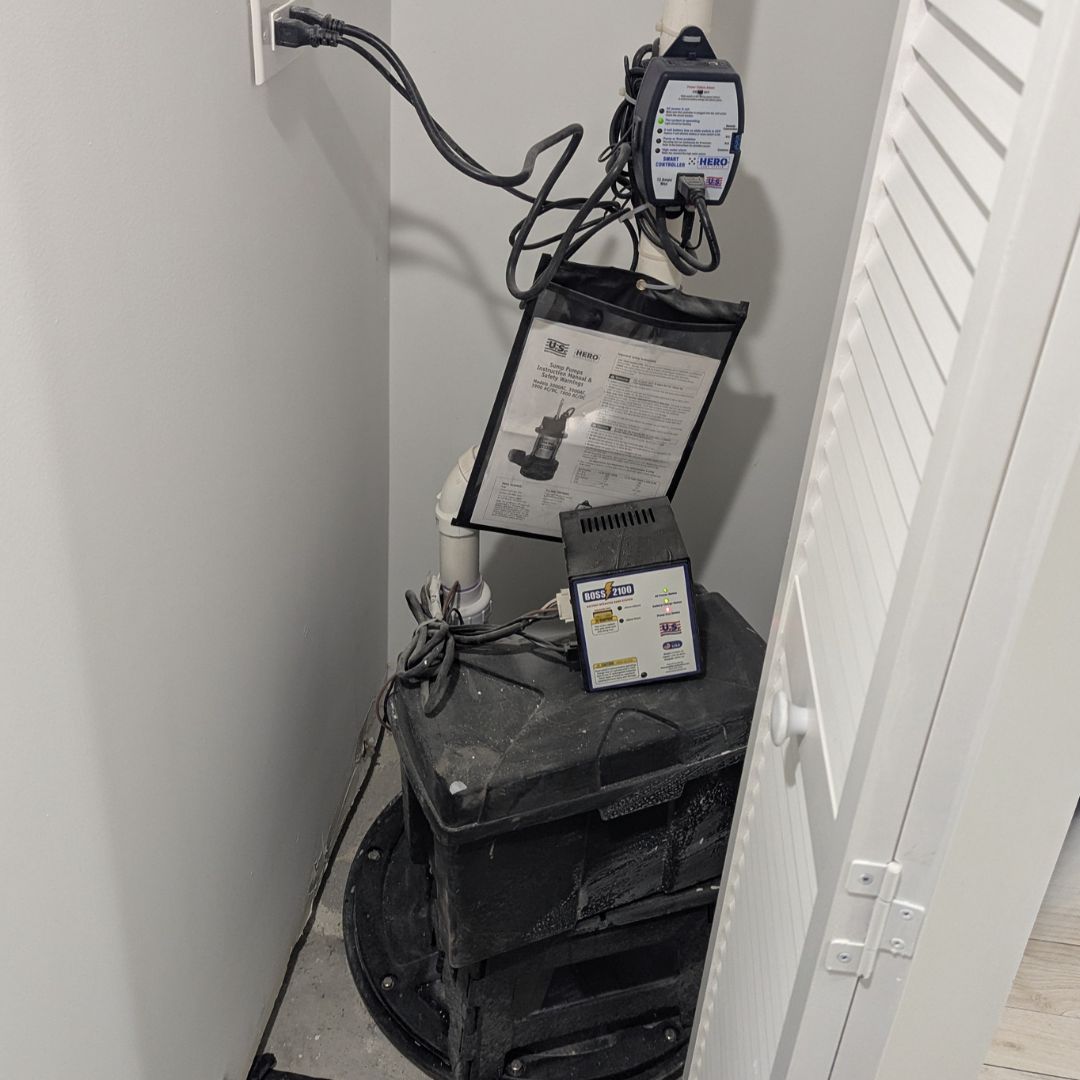
Collects groundwater and redirects it via a sump pump.
Best for:
- Seepage through walls or floors
Limitation:
- Does not prevent sewer backup
Foundation Crack Sealing
A cost-effective way to prevent water intrusion and often used alongside other systems.
Can You Sell a House That Has Flooded?
Yes. Homes with a history of flooding regularly sell in Chicago.
What Matters Most:
- Full disclosure
- Documentation of repairs
- Quality of the installed solution
Do Buyers Purchase Homes That Have Flooded?
Yes—but buyer confidence depends on:
- Severity of past flooding
- Frequency
- Repairs completed
- Quality of flood prevention systems
Buyers are far more comfortable when issues have been professionally addressed and documented.
Final Thoughts
Flooding is becoming more common in Chicago real estate, but it doesn’t have to be a deal breaker. With proper due diligence, professional repairs, and full transparency, both buyers and sellers can navigate these situations successfully.
Frequently Asked Questions About Chicago Flooding
Can you sell a house that has flooded in Chicago?
Yes. Homes with a history of flooding can be sold successfully. Sellers must disclose prior flooding and any repairs completed. Proper documentation and flood control systems can help maintain buyer confidence.
Do sellers have to disclose flooding in Illinois?
Yes. Illinois law requires sellers to disclose known material defects, including flooding, water seepage, and sewer backups—even if repairs have already been completed.
What is the best flood control system for a Chicago home?
Overhead sewer systems offer the highest level of protection against sewer backup. Double-valve systems are a more affordable option, while drain tile systems help address water seepage.
How much does it cost to fix flooding issues in Chicago?
Costs vary depending on the solution. Basic fixes may cost a few hundred dollars, while full flood control systems typically range from $8,000 to $15,000 or more.
What should buyers look for when buying a home with possible flooding?
Buyers should look for water stains, musty odors, cracks in the foundation, and poor exterior drainage. It’s also important to ask about past flooding and any installed flood control systems.
Have Questions About Buying or Selling a Home?
Whether you're buying your first home, preparing to sell, or simply have questions about today's real estate market, having the right guidance can make all the difference.
With more than 20 years of experience helping buyers and sellers throughout Chicago and the surrounding suburbs, I'm here to provide honest advice, local market expertise, and personalized service every step of the way.
If you're ready to make your next move—or just want to discuss your options—I'd be happy to help.


.png)