


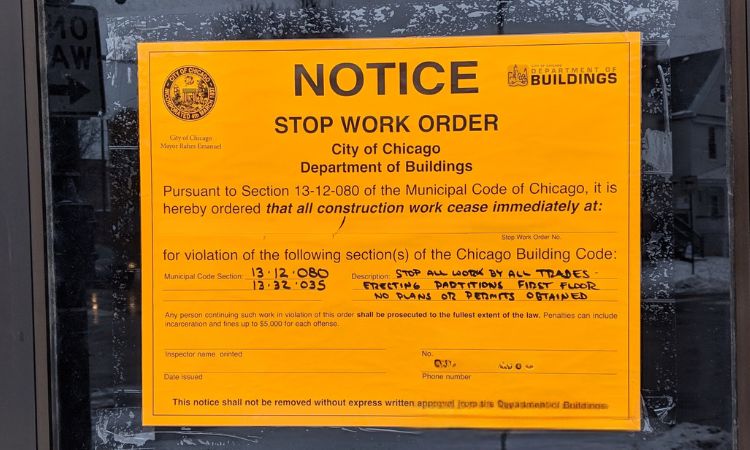
What Buyers and Sellers Should Know
Buying and selling a home in the Chicago area can be a complicated process. When city or village violations are involved, the process can become even more challenging for both buyers and sellers.
Fortunately, homes with violations can still be sold. In many cases, the home may need to be sold at a discount. However, it is also possible to repair the violations and then sell the home closer to full market value.
I might be a little biased here, but you should probably call Jose Hernandez to help with the process. After all, dealing with city violations without experience can feel a bit like trying to assemble IKEA furniture without the instructions.
If you're considering selling your Chicago home, understanding how violations affect the sale is an important first step.
Why Do Homes Get City Violations?
It is not uncommon for homeowners to be surprised when their real estate agent informs them that their Chicago home has city violations. Many homeowners believe the City of Chicago or a local village randomly selects homes for inspection.
However, the City of Chicago usually inspects homes after one of the following events occurs:
- A neighbor complains about the condition of the property
- A homeowner applies for a permit to renovate the property
- A property is sold and an inspection is required to verify building code compliance
- A city employee notices a potential safety hazard and reports it
Because of this process, many homeowners are surprised when they discover their property has violations.
The Most Common Property Violations
The following are some of the most common violations discovered during city inspections.
1. Illegal Basement or Attic Apartments (Governed by Chapter 13-196)
One of the most common violations involves illegal basement or attic apartments.
Illegal apartments are living spaces that were added to a home without the proper permits from the city. Many of these units were added years ago to two-flat, three-flat, or four-flat buildings without proper approval.
When the city discovers an illegal apartment, several outcomes are possible:
- The basement or attic unit may need to be deconverted back to its original use
- The unit may need to be brought up to current building code, which can be costly
- The city may require the removal of kitchens or bedrooms
In many cases, the city will mandate that the basement or attic space be restored to its original non-living space.
2. Failure to Arrange for Inspection of Premises (CMC 13-12-100)
Chicago Municipal Code 13-12-100 requires homeowners to allow inspectors access to their property. Violations can occur if:
- The owner refuses inspection
- Tenants deny access
- The property is vacant or abandoned
While sometimes considered minor, these violations can still complicate a sale if not addressed promptly.
3. Building Code Violations
City inspections may also reveal general building code violations, such as:
- Electrical issues
- Plumbing violations
- Structural repair problems
- Porch and stair safety issues
These violations are common in older Chicago homes, especially when repairs or renovations were completed without permits.
Why Property Violations Exist
City and village violations exist to protect the health and safety of the public.
Violations may occur for several reasons. Many are found in older homes where renovations were completed years ago without proper permits.
Other violations occur due to neglect or improper repairs. For example, a homeowner may replace an electrical fixture without hiring a licensed electrician, which could lead to an electrical violation.
How to Sell a Home with Violations in Chicago
The good news is that you can sell a home with violations in Chicago. While violations may reduce the value of the property, they do not prevent a successful sale. Buyers will typically expect a lower purchase price to account for the cost of correcting the issues, but a properly priced home can still sell fairly quickly.
The buyers most interested in properties with violations are often:
- Investors
- Contractors
- Renovation specialists
These buyers are experienced in handling repairs and understand the costs involved. They factor these costs into their offers, which can make the sale process smoother for sellers.
Do You Need a Lawyer to Deal with Violations?
In many cases, you do not need a lawyer to deal with city violations.
Most violations can be addressed by working directly with the local building department. The city will provide information about the violation and explain the available options.
Often, violations can be resolved by:
- Hiring a licensed contractor
- Obtaining the proper permits
- Scheduling follow-up inspections
An experienced real estate agent who regularly deals with properties that have violations can also help guide homeowners through the process.
How an Experienced Chicago Real Estate Broker Can Help
When a property has violations, selling the home can become more complicated and time-consuming.
An experienced broker can help by:
- Explaining the violations and possible solutions
- Estimating potential repair costs
- Marketing the property to the right buyers
- Negotiating terms that account for the violations
A knowledgeable broker can also provide insight into the price reduction buyers may expect when purchasing a property with violations.
With the right strategy, it is still possible to sell your home for a fair market price.
Important Questions to Ask About Violations
When dealing with violations, homeowners often have several important questions.
1. Can I sell my house if it has city violations?
Yes. Homes with violations are sold regularly in Chicago and the surrounding suburbs.
2. Do I have to fix violations before selling my home?
No. While fixing violations may help increase the price, many homes are sold as-is.
3. Will my home's value decrease if it has violations?
In most cases, yes. Buyers will often reduce their offer to compensate for the cost of correcting the violations.
4. Will a buyer still be able to qualify for a mortgage?
Some violations may affect financing, while others may not. In certain cases, the property may attract more cash buyers or investors.
5. How long does it take to resolve violations?
The timeline depends on the type of violation. Minor issues may take several weeks to a few months, while major violations may take a year or longer.
6. What happens if I ignore city violations?
Ignoring violations may lead to fines, court cases, or liens being placed on the property. Violations do not just go away.
Final Thoughts
Violations are not uncommon in Chicago homes, especially in older buildings. While they may complicate the selling process, they do not prevent a home from being sold.
With the right approach and guidance, violations can be addressed, and the property can still sell for a fair market price.
If you are planning to sell a property with violations, working with an experienced real estate professional can make the process much smoother.
Have Questions About Buying or Selling a Home?
Whether you're buying your first home, preparing to sell, or simply have questions about today's real estate market, having the right guidance can make all the difference.
With more than 20 years of experience helping buyers and sellers throughout Chicago and the surrounding suburbs, I'm here to provide honest advice, local market expertise, and personalized service every step of the way.
If you're ready to make your next move—or just want to discuss your options—I'd be happy to help.
:format(webp):quality(80)/u.realgeeks.media/chicagorealestatesource/social_media_buttons_2024/4102578_applications_media_social_youtube_icon.png)
:format(webp):quality(80)/u.realgeeks.media/chicagorealestatesource/social_media_buttons_2024/5365678_fb_facebook_facebook_logo_icon.png)
:format(webp):quality(80)/u.realgeeks.media/chicagorealestatesource/social_media_buttons_2024/5296765_camera_instagram_instagram_logo_icon.png)
:format(webp):quality(80)/u.realgeeks.media/chicagorealestatesource/jose_hernandez_chicago_realtor_(1).png)